Research
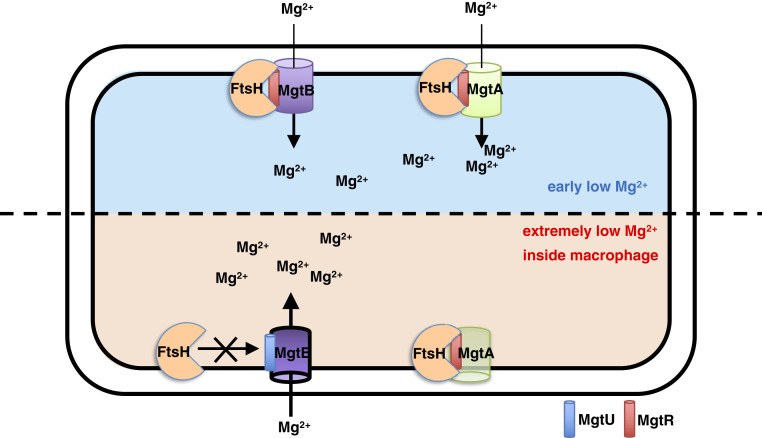
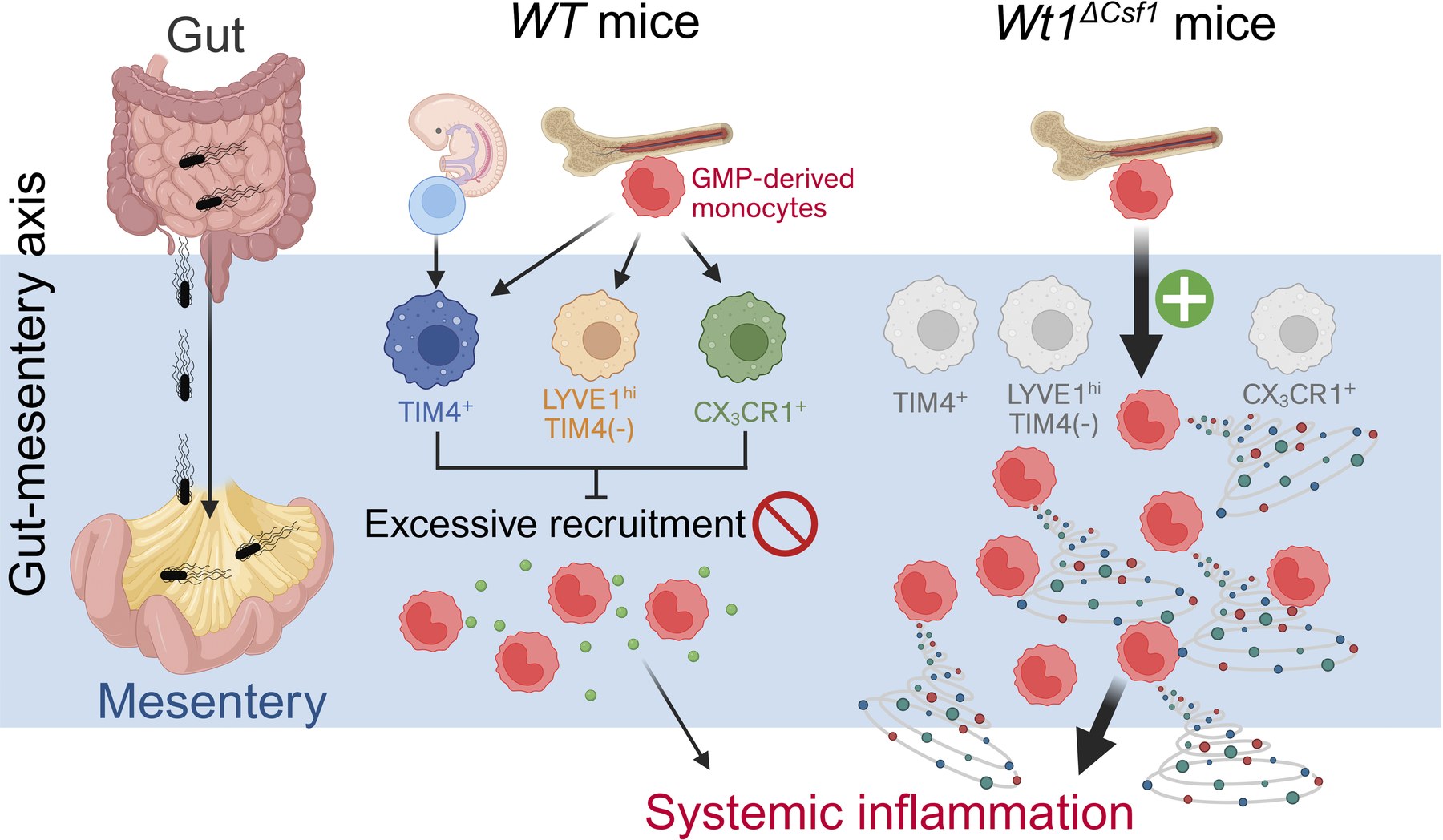
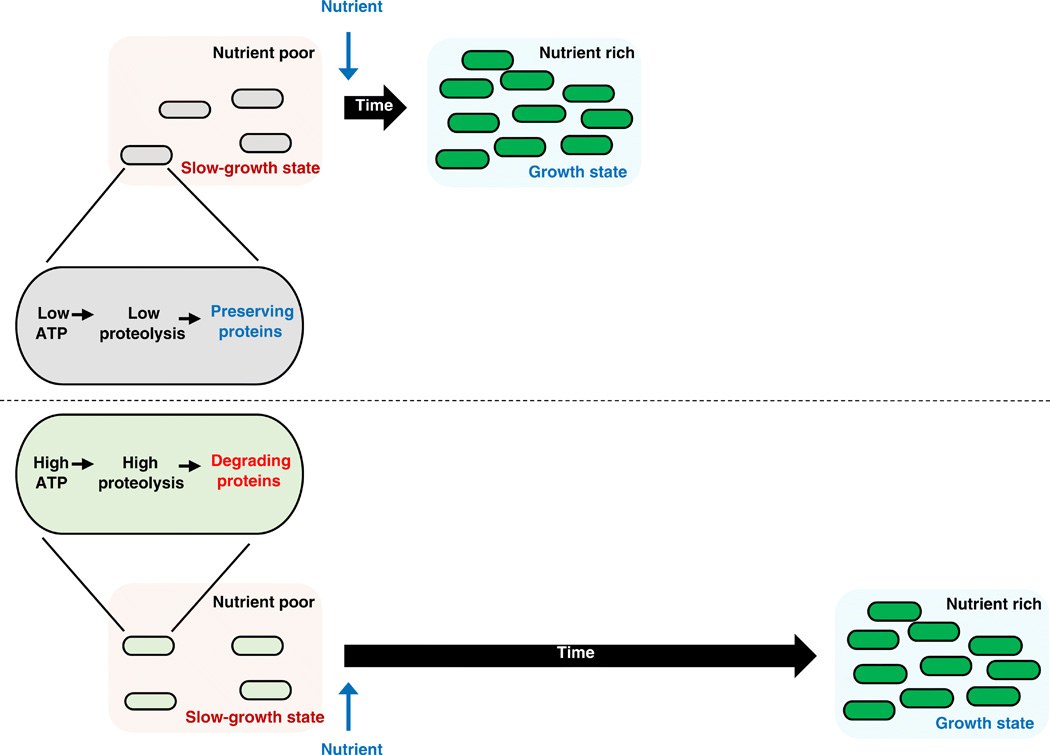
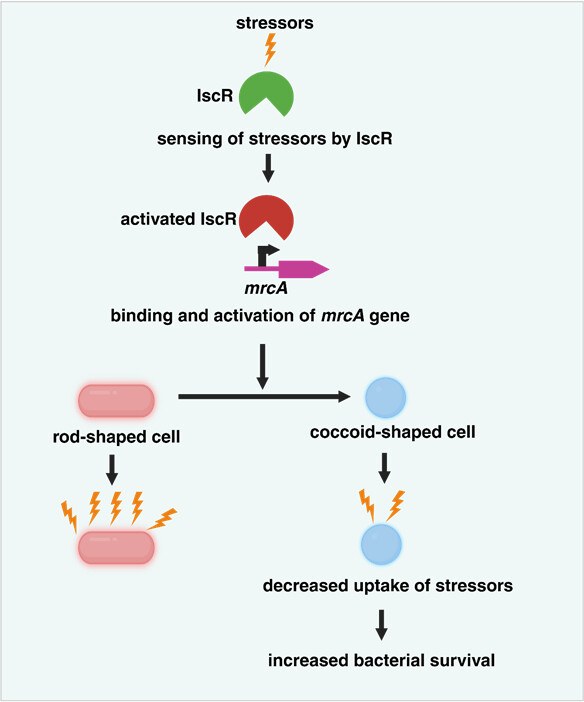
Bacterial pathogens survive hostile environments inside their hosts, tolerating stresses such as antibiotics, oxidative stress and immune attack, and these abilities underlie chronic infections. Our lab studies how bacteria sense and respond to these stresses, and how bacteria and host immune cells interact in infection and inflammation. We combine bacterial genetics and biochemistry, organoid and mouse infection models, global profiling of RNA, proteins and metabolites, and computational approaches.
How do bacteria sense and survive stress in the host, and how does the host respond?